
Fixing Roof Issues Effectively
- carsonroofingfl
- Oct 21, 2025
- 3 min read
A damaged roof can lead to serious problems if not addressed promptly. From leaks to missing shingles, roof issues can compromise your home's safety and comfort. Knowing how to fix these problems effectively can save you time, money, and stress. This guide will walk you through practical steps and expert advice to help you tackle common roof problems with confidence.
Identifying Common Roof Problems
Before diving into repairs, it’s crucial to understand the typical issues that roofs face. Here are some common problems homeowners encounter:
Leaks and Water Damage: Water stains on ceilings or walls often indicate leaks.
Missing or Damaged Shingles: Shingles can crack, curl, or blow off during storms.
Sagging Roof Deck: This can signal structural damage or water accumulation.
Clogged Gutters: Blocked gutters cause water to back up and damage the roof edge.
Flashing Damage: Flashing seals roof joints and can deteriorate over time.
Regular inspections can help you spot these issues early. Look for signs like granules in gutters, dark streaks on shingles, or mold growth in the attic.

Practical Roof Repair Tips to Save Time and Money
When it comes to fixing roof issues, following the right steps can make all the difference. Here are some effective roof repair tips:
Safety First
Always use a sturdy ladder and wear non-slip shoes. Consider using a harness if working on steep roofs.
Clean the Area
Remove debris, leaves, and dirt from the damaged area to get a clear view of the problem.
Replace Missing Shingles
Lift the surrounding shingles carefully, slide the new shingle into place, and secure it with roofing nails.
Seal Small Leaks
Use roofing cement or sealant to patch minor cracks or holes. Apply it generously and smooth it out.
Fix Flashing
If flashing is loose or damaged, remove the old sealant, apply new roofing cement, and press the flashing firmly.
Maintain Gutters
Clean gutters regularly to prevent water buildup that can damage the roof edge.
Inspect After Storms
Check your roof after heavy winds or hail to catch damage early.
If you want professional help, consider contacting experts who specialize in roof repairs to ensure the job is done right.
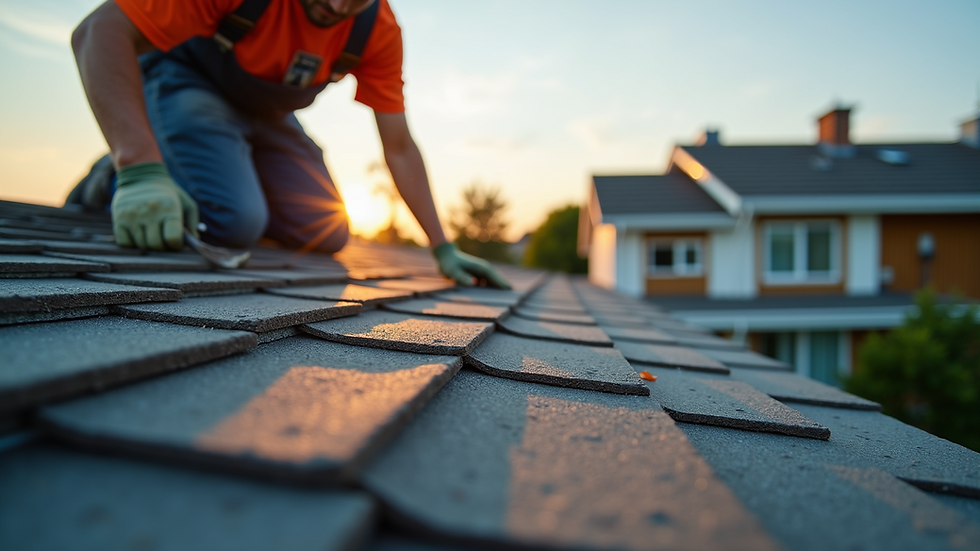
How Much Does It Cost to Fix a Broken Roof?
Understanding the cost of roof repairs helps you budget and plan effectively. The price depends on several factors:
Extent of Damage: Minor repairs like patching leaks are cheaper than replacing large sections.
Roof Type and Material: Asphalt shingles are generally less expensive to repair than metal or tile roofs.
Labor Costs: Rates vary by region and the complexity of the job.
Accessibility: Roofs that are steep or difficult to reach may increase labor costs.
Additional Repairs: Sometimes, underlying damage to the roof deck or insulation requires extra work.
On average, small repairs can cost between $300 and $1,000, while more extensive fixes or partial replacements may range from $1,000 to $5,000 or more. Always get multiple quotes and ask for detailed estimates before proceeding.
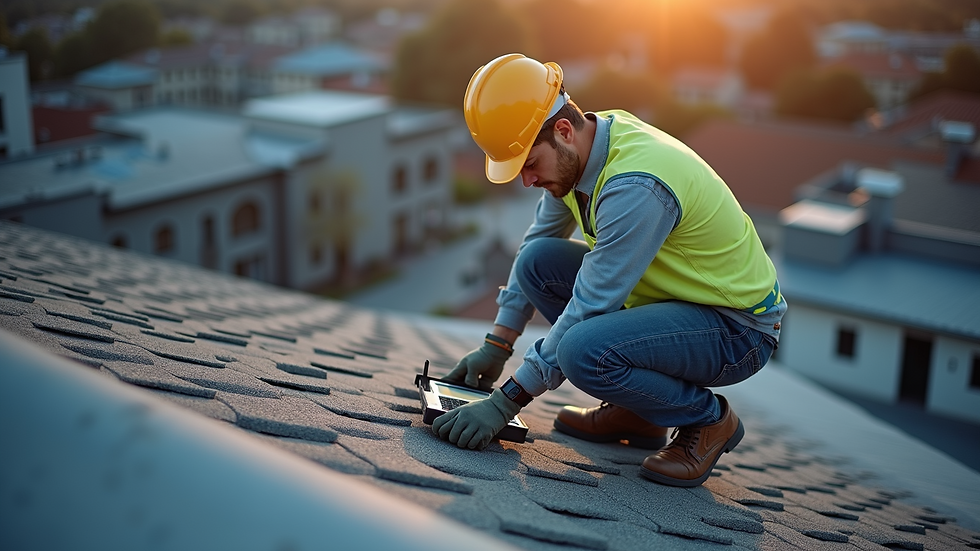
Tools and Materials Needed for DIY Roof Repairs
If you decide to handle minor repairs yourself, having the right tools and materials is essential. Here’s a checklist to get you started:
Ladder: Tall enough to reach your roof safely.
Hammer and Roofing Nails: For securing shingles and flashing.
Roofing Cement or Sealant: To patch leaks and seal joints.
Replacement Shingles: Matching your existing roof material.
Utility Knife: For cutting shingles or roofing felt.
Pry Bar: To remove damaged shingles carefully.
Gloves and Safety Glasses: Protect your hands and eyes.
Measuring Tape: For accurate cuts and placement.
Having these on hand will make your repair process smoother and safer.
Preventive Maintenance to Avoid Future Roof Problems
Prevention is always better than repair. Regular maintenance can extend your roof’s lifespan and reduce costly repairs. Here are some tips:
Schedule Biannual Inspections: Check your roof in spring and fall.
Trim Overhanging Branches: Prevent damage from falling limbs.
Keep Gutters Clean: Avoid water backup and ice dams.
Check Attic Ventilation: Proper airflow prevents moisture buildup.
Address Small Issues Promptly: Fix minor leaks or loose shingles before they worsen.
By staying proactive, you can protect your home and avoid emergency repairs.
Taking care of your roof is essential for maintaining a safe and comfortable home. Whether you choose to DIY or hire professionals, understanding the basics of roof repair will help you make informed decisions. For reliable and expert assistance, consider reaching out to specialists in roof repairs who can provide quality service and peace of mind.


